

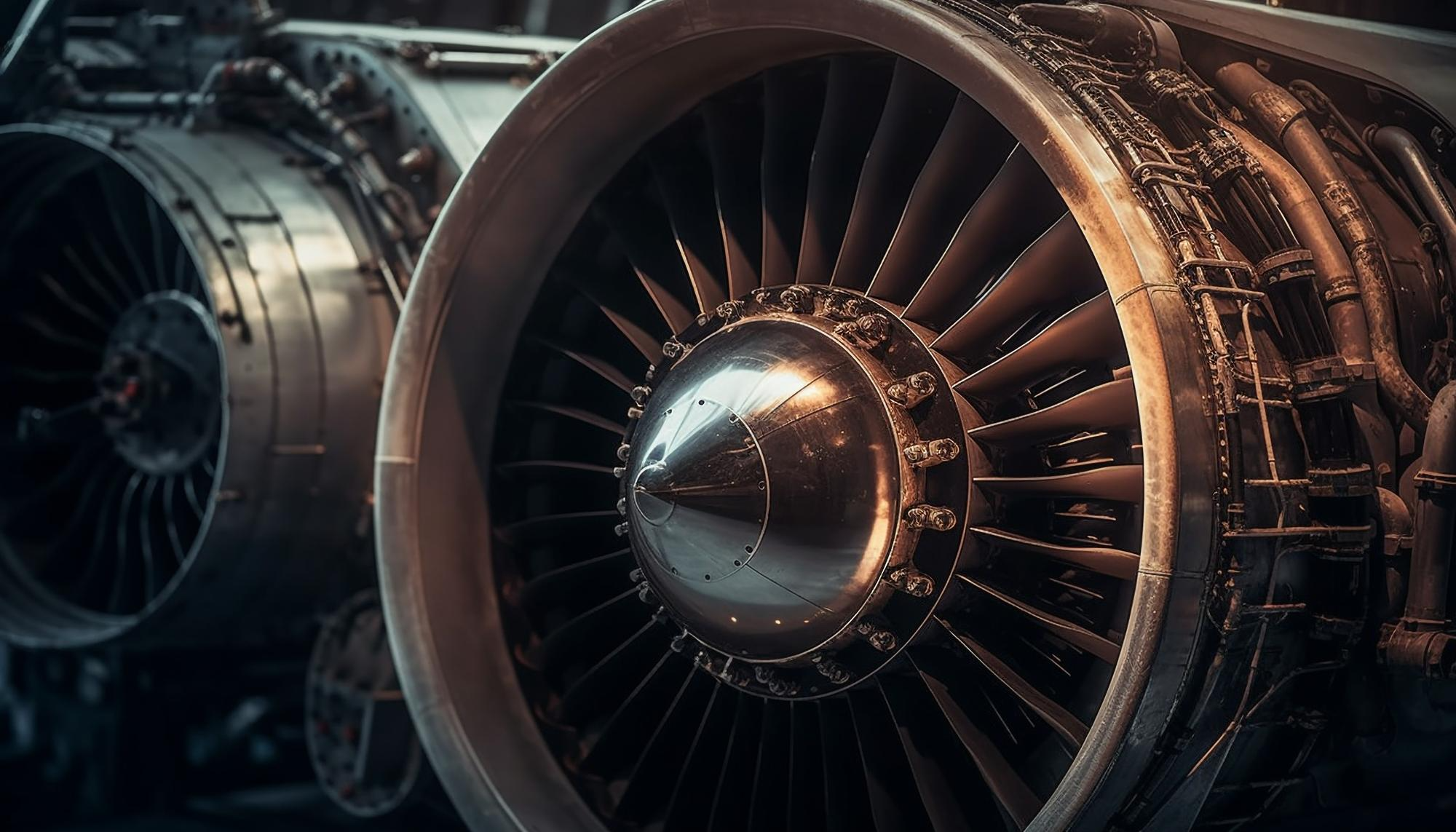
Artificial intelligence data center operators are converting retired aircraft engines into natural gas-powered generators to secure electricity while facing years-long delays for grid connections and conventional power turbines. Companies including xAI and Crusoe are using the technology to accelerate data center development, according to a November 3, 2026, report by The New York Times.
The generators use engines recovered from retired aircraft and modified to burn natural gas instead of aviation fuel. Although less efficient than conventional power generation equipment, the converted engines can be deployed faster than newly manufactured turbines or grid infrastructure.
Grid Connection Delays Drive Alternative Power Generation
Electricity availability has become a significant constraint for companies building AI data centers, particularly in regions with high concentrations of computing facilities. According to the International Energy Agency, connecting a 100-megawatt data center to the grid in Northern Virginia can take approximately seven years.
Rystad Energy analyst Audun Martinsen told The New York Times that converted jet engines could allow operators to bring data centers online within 24 months. Meanwhile, Mitsubishi Power indicated that demand for conventional gas turbines has pushed some equipment delivery schedules into 2031.
Power shortages have already affected planned projects. In October, Microsoft withdrew as the principal customer for Nscale’s proposed data center in Loughton, England, after the local utility indicated that sufficient electricity would not be available until the early to mid-2030s.
xAI and Crusoe Deploy Converted Aircraft Engines
Elon Musk’s xAI has installed eight converted jet-engine turbines in Mississippi to help power its Colossus 2 data center in Memphis, according to state permits and satellite imagery reviewed by The New York Times. The generators were supplied by ProEnergy, which modifies General Electric engines commonly used in Boeing aircraft.
The conversion process involves removing components designed to generate aircraft thrust, modifying the combustion system to burn natural gas, and connecting the engine to electricity generation equipment.
OpenAI also adopted gas turbines at its first Stargate data center in Abilene, Texas, in 2025. Crusoe, the company developing the facility, ordered 13 converted turbine units from ProEnergy in April 2026.
Crusoe separately canceled a $1.25 billion agreement to purchase 29 natural gas turbines from Boom Supersonic in September. Despite terminating that agreement, the company confirmed that turbines remained part of its power generation plans.
Environmental Concerns Surround Converted Generators
Converted aircraft engines generally consume more fuel and produce higher emissions than turbines designed specifically for conventional natural gas power plants. Their lower efficiency also means operators require additional generating units to achieve comparable electricity output.
The Trump administration has encouraged data center developers to generate their own electricity as demand places additional pressure on existing power infrastructure. However, environmental groups have raised concerns over the emissions associated with expanding on-site fossil fuel generation.
According to The New York Times, the converted turbines installed by xAI in Mississippi received permits allowing carbon monoxide emissions at twice the rate of other turbines at the site. The permits also allow volatile organic compound emissions limits approximately 25% higher than those for the other units.
Featured image credits: Magnific.com
For more stories like it, click the +Follow button at the top of this page to follow us.