

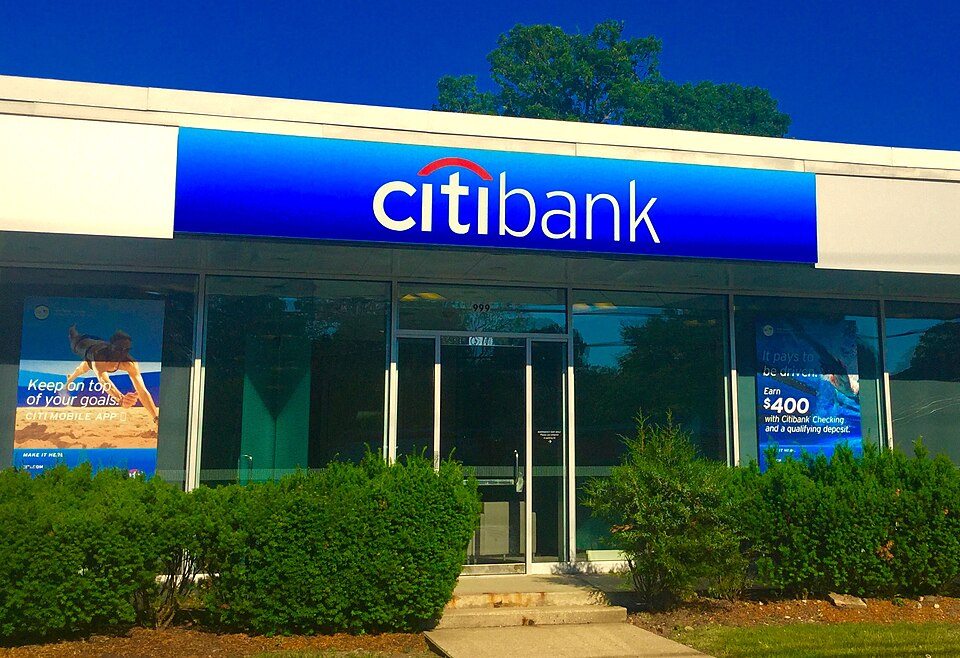
Citibank has updated its online banking agreement to make customers responsible for transactions and other account activity conducted through third-party AI agents, including cases involving leaked credentials or security breaches. The changes, introduced in November 2026, extend customer responsibility to unintended transactions and actions carried out by unauthorized parties using credentials shared with AI tools, subject to applicable law.
The updated Citi Online User Agreement warns customers against allowing external AI agents to access their accounts or perform banking transactions. Citi says it will treat activities conducted through authorized AI agents as actions approved by the account holder, even when the software misinterprets instructions or acts beyond its intended authority.
Citi Expands Customer Responsibility for AI Tools
Under the revised terms, customers who share their banking credentials with third-party AI agents may also be held responsible if those credentials are subsequently leaked, shared, or stolen. Citi states that it will consider access using those credentials authorized, although certain protections may still apply under existing laws.
A Citi spokesperson told TechCrunch that the changes aim to clarify the risks of granting third-party AI tools access to financial accounts. The spokesperson said customers who authorize these agents are responsible for activities conducted on their behalf.
The agreement also requires customers to monitor their AI agents’ activities and allows Citi to restrict or terminate third-party agent access. However, the new provisions do not apply to AI tools provided directly through Citi’s own banking services.
Other Major US Banks Introduce Similar Policies
Citi joins JPMorgan Chase and Bank of America, which announced similar policies in October 2026. PNC also updated its terms on November 18, while Citizens warned customers this week that they could be responsible for activities performed by AI assistants, according to an email reviewed by TechCrunch.
These policy changes come as AI developers introduce tools capable of analyzing spending, assessing financial information, and assisting with payments. Some agents can access banking portals using customer credentials, creating concerns about unauthorized transactions, cybersecurity, and the handling of sensitive financial information.
AI developer Anthropic has adopted a more restricted approach with its recently introduced Claude Personal Finance feature. According to Anthropic’s November 5 announcement, the tool operates with read-only access and cannot transfer, manage, or invest customers’ money.
Banks are also facing potential competition from AI-powered personal finance services that help consumers compare financial products, identify fees, and assess deposit accounts. The growing role of independent AI assistants in financial services has raised questions about which companies will control customer interactions and account access.
Citi’s revised agreement distinguishes between external AI agents and tools offered by the bank itself. Customers using Citi-provided AI services are not subject to the additional third-party agent liability provisions.
Featured image credits: Wikimedia Commons
For more stories like it, click the +Follow button at the top of this page to follow us.